AI2 Nexus

George Mason is building a nexus of collaboration and resources on campus, throughout the region with our vast partnerships, and across the state, called AI2Nexus.

As a model for universities, AI2Nexus is based on four key principles: Integrating AI to transform education, research, and operations; Inspiring with AI to advance higher education and learning for the future workforce; Innovating with AI to lead in responsible AI-enabled discovery and advancements across disciplines; and Impacting with AI to drive partnerships and community engagement for societal adoption and change.

George Mason University is driving rapid AI adoption and advancements across the Commonwealth.

As the largest and most diverse university in Virginia, just outside Washington, D.C., George Mason University is leading the future of inclusive artificial intelligence (AI) and developing responsible models for AI research, education, workforce development, and community engagement within a modern university.

As AI reshapes industries, George Mason combines fearless ideas that harness the technology’s boundless potential to address the world’s grand challenges, while creating guardrails based on informed, transdisciplinary research around ethical governance, regulatory oversight, and social impact.

Led by the university’s inaugural vice president and chief artificial intelligence officer (CAIO) Amarda Shehu with an AI Visioning Task Force, George Mason is reimagining operational excellence in every facet of the university.

Source: AI Webpage

OnAir Post: AI2 Nexus

Imagining the Digital Future Center

[This website is a demonstration and is not currently affiliated with the Imagining The Digital Future Center nor Elon University.]

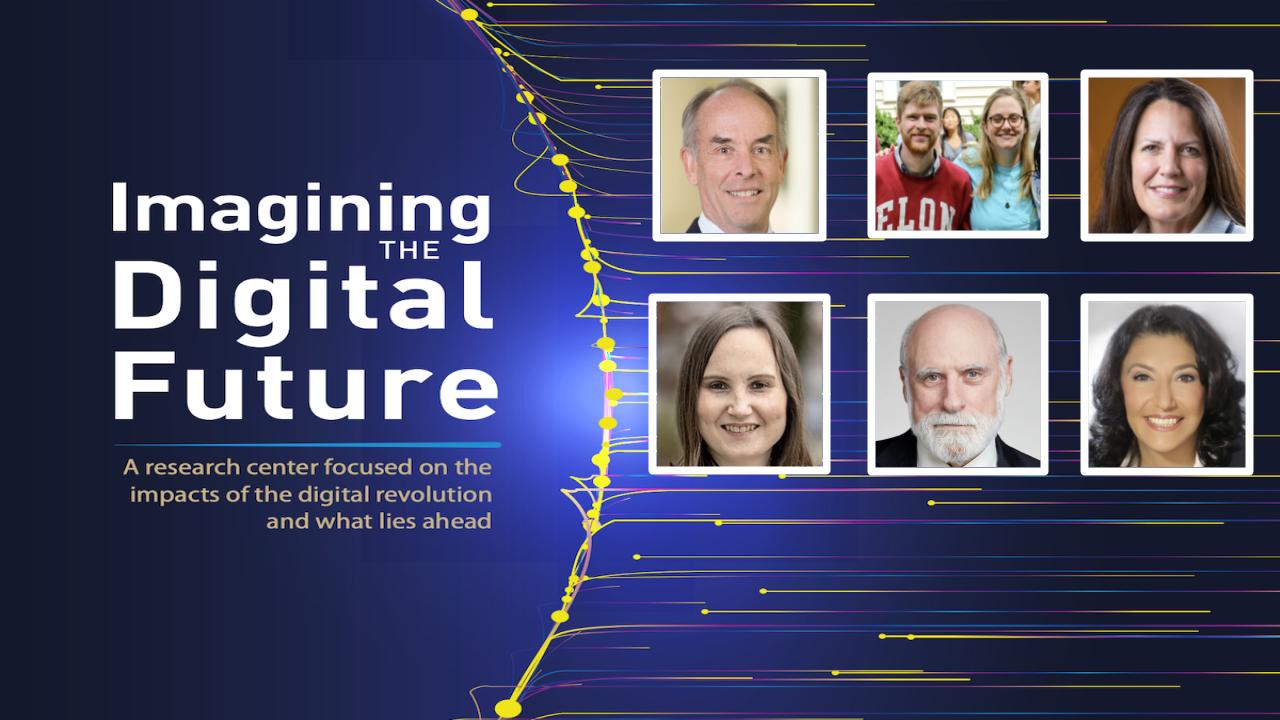
Imagining the Digital Future (ITDF) Center is an interdisciplinary research center focused on the human impact of accelerating digital change and the socio-technical challenges that lie ahead.

Imagining the Digital Future’s mission is to discover and broadly share a diverse range of opinions, ideas and original research about the likely evolution of digital change, informing important conversations and policy formation.

February 29, 2024, ITDF released its first new research report, “The Impact of Artificial Intelligence by 2040,” for which, in two separate studies, a large group of global digital life experts and the U.S. general public were asked to share their opinions on the likely future impact of AI. The global experts predicted that as these tools advance we will have to rethink what it means to be human and we must reinvent or replace major institutions in order to achieve the best possible future. The issues the Americans polled were most concerned about are the further erosion of personal privacy, their opportunities for employment, how these systems might change their relationships with others, and AI applications’ potential impact on basic human rights.

OnAir Post: Imagining the Digital Future Center

Lee Rainie

Lee Rainie is a prominent researcher who has extensively studied the social impact of the internet and technology.

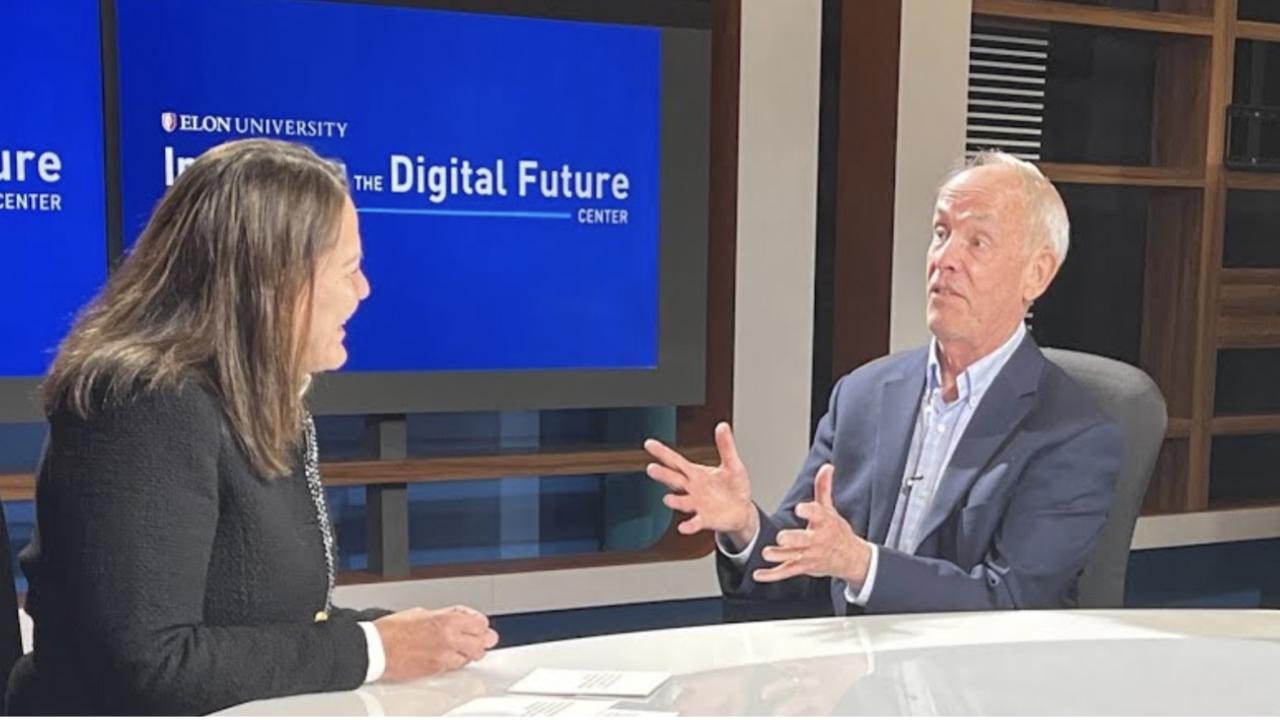
He is the Director of the Imagining the Digital Future Center at Elon University (since early 2024). In this role, he leads an initiative focused on exploring the future impacts of digital change.

For 24 years, he was the founding director of Internet and Technology Research at the Pew Research Center. During his tenure, his team produced over 850 reports on the social, political, and economic effects of the internet, mobile connectivity, social media, and artificial intelligence revolutions.

OnAir Post: Lee Rainie

Elon University

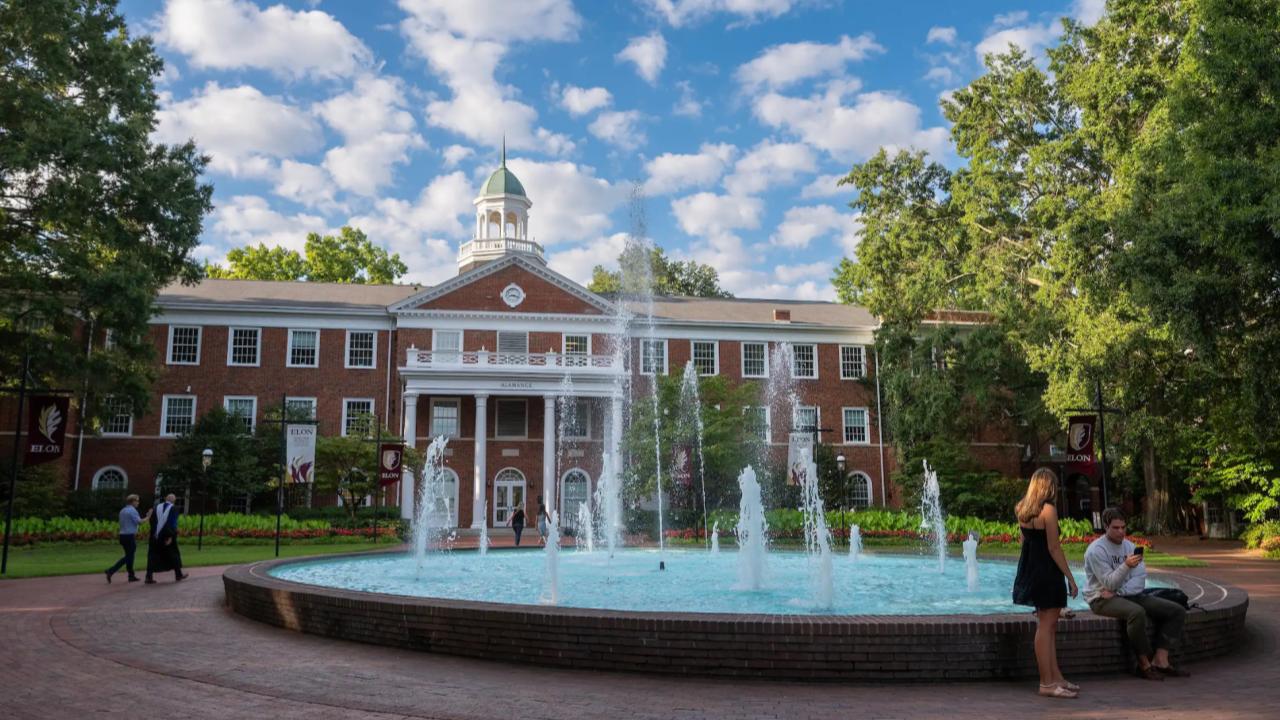
Elon University is a nationally recognized leader in engaged, experiential learning that prepares graduates to be creative, resilient, ambitious and ethical citizens of our global culture. Nestled in a grove of oaks, Elon was founded as “a college for the world,” where students find their calling and reach their full potential within an environment of rich and meaningful relationships, and where they become big thinkers and creative problem solvers in every facet of their lives.

Elon’s more than 7,000 undergraduate and graduate students learn through hands-on experiences and close working relationships with faculty and staff whose priorities are teaching and mentoring. The Elon curriculum is grounded in the traditional liberal arts and sciences with an emphasis on global experiences and career development. More than 70 undergraduate academic majors are complemented by professional and graduate programs in law, business, education and health care. Elon is ranked among the top national universities, with a No. 1 ranking in US News & World Report for excellence in undergraduate teaching for four consecutive years.

OnAir Post: Elon University

Skip to toolbar